

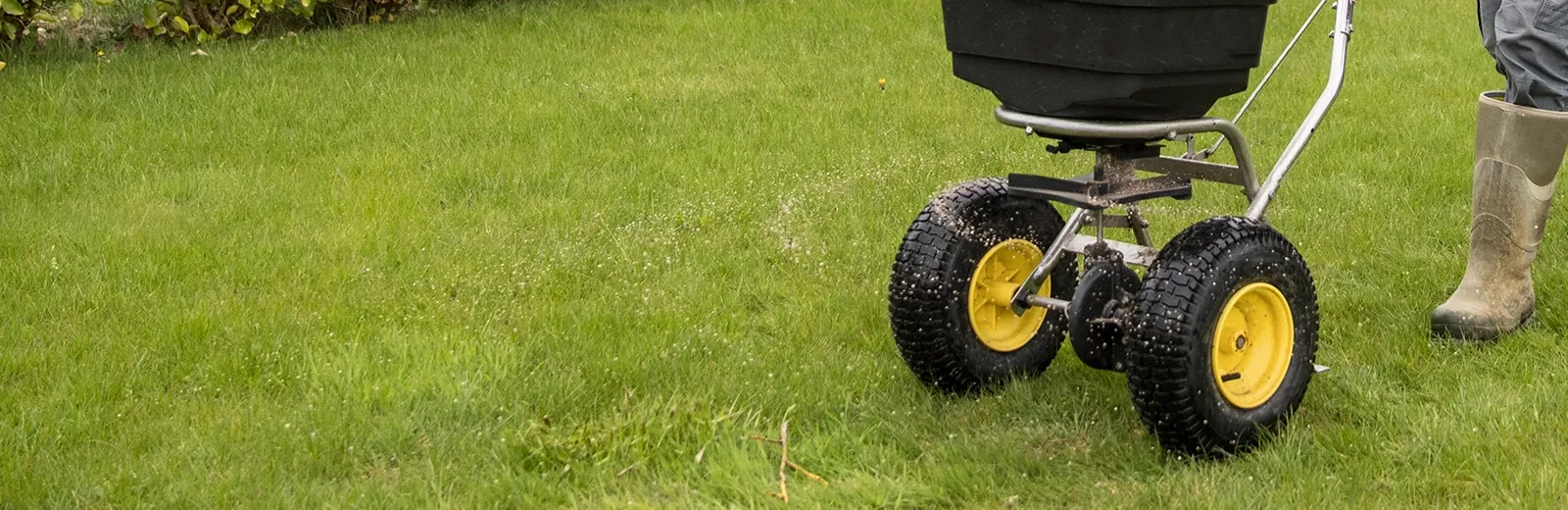
Professional Lawn Aeration and Seeding Services in Northeast Georgia
Revitalize Your Lawn Today!
Lawn Aeration in Northeast Georgia
Northeast Georgia's landscape is shaped by warm, humid summers and mild winters, creating ideal conditions for warm-season grasses like Bermudagrass, Zoysiagrass, and St. Augustine to thrive. That same climate also accelerates soil compaction, thatch buildup, and thinning turf, especially in high-traffic yards or properties with clay-heavy soil. Left unaddressed, compacted soil blocks water, air, and nutrients from reaching grassroots, weakening your lawn from the ground up.
Runoff pooling after rain, spongy or hardened patches, and worn areas where foot traffic is heaviest are all signs your lawn is overdue for professional care. Aeration paired with overseeding or power seeding is one of the most effective ways to reset lawn health, improve density, and build resistance to drought, disease, and pests heading into the next growing season.
Here is what Northeast Georgia homeowners can expect from our lawn aeration and seeding services:
- Core aeration to relieve soil compaction and open pathways for water and nutrients
- Overseeding to fill in thin or bare areas and improve overall lawn density
- Power seeding using slice or slit seeding machines for direct seed-to-soil contact
- Warm-season grass timing aligned with late spring and early summer growth cycles
- Customized seeding strategies based on your grass type, soil condition, and yard use
A healthier, thicker lawn starts with what happens beneath the surface. Contact us today to schedule your aeration and seeding service in Northeast Georgia and give your grass the foundation it needs to grow strong all season long.

Our Work Stands The Test Of Time
You deserve results that last. That's why we stand behind our work with a satisfaction guarantee. If the problem persists after treatment, we'll come back at no cost to make it right. No questions asked.
Frequently Asked Questions
Do I need to water my lawn after aeration and seeding?
Yes—consistent watering is one of the most important steps after aeration and seeding. Once the seed is down, it needs moisture to germinate and develop healthy roots. Here's what we typically recommend:
- Immediately after seeding: Lightly water the entire lawn to settle the seed into the soil and moisten the surface.
- Weeks 1–2: Water lightly once or twice a day, keeping the top inch of soil consistently damp—but not soaked. The goal is to keep the seed moist without causing runoff or puddles.
- Weeks 3–4: As the grass begins to sprout and grow, gradually reduce watering frequency but increase the amount of water per session. This encourages deeper root development.
- After 4 weeks: Watering can typically return to a regular lawn schedule (about 1 inch of water per week, including rainfall), depending on weather and grass type.
Skipping or inconsistent watering can lead to poor germination and patchy results, so staying on top of it—especially in the first few weeks—is key to a lush, healthy lawn.
How often should I aerate my lawn?
Most lawns benefit from aeration once a year, especially if they experience heavy foot traffic, clay soil, or signs of compaction or thinning.
Should I aerate before seeding my lawn?
Yes, aerating before seeding is one of the best ways to ensure successful seed germination. Aeration loosens compacted soil and creates small holes or “pockets” that give new grass seed direct contact with the soil—this improves seed-to-soil contact, which is essential for healthy growth. It also allows water, air, and nutrients to reach the root zone more easily, helping both existing and new grass develop strong roots. When paired together, aeration and seeding work hand-in-hand to create a thicker, healthier, and more resilient lawn.
When is the best time to aerate and seed my lawn?
The best time to aerate and seed your lawn depends on the type of grass you have. Seeding outside of these windows can lead to poor germination or weak root development, especially if temperatures are too hot or too cold. For the best results, we also recommend pairing aeration and seeding with proper watering and fertilization tailored to your grass type.
For cool-season grasses (like fescue, Kentucky bluegrass, and ryegrass), the ideal time is early fall (September to October). The soil is still warm, but the air is cooler—perfect conditions for seed germination and root development. Spring (March to early May) is also a viable option, though fall typically yields better long-term results. For warm-season grasses (like Bermuda, zoysia, and centipede grass), the best time is late spring to early summer (May to June), when these grasses are actively growing. Aerating and seeding during this time gives new grass the full growing season to establish.
How do I prepare my landscape for a treatment?
There’s no need to prepare your landscape for treatment! However, you will likely need to water your lawn or landscape after the treatment to help the products work effectively and ensure results.